
Table of Contents
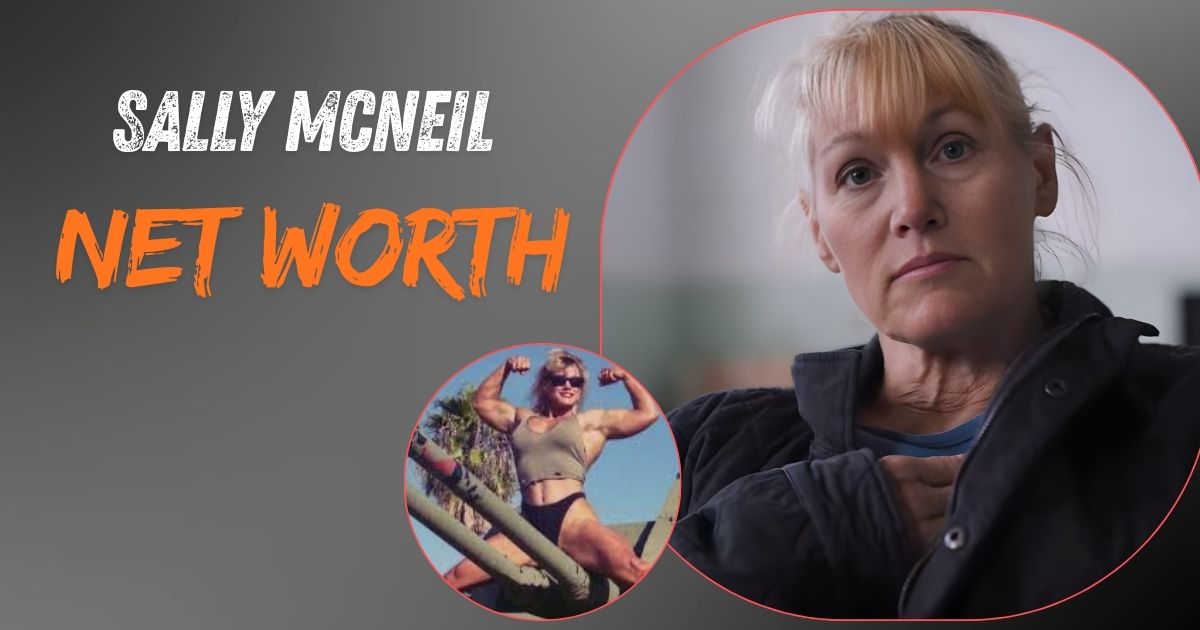
Valentine’s Day 1995 shattered one bodybuilder’s life forever. Sally McNeil, a decorated U.S. Marine and competitive bodybuilder, shot her husband Ray McNeil in their California home. The incident transformed her from fitness competitor to convicted murderer. After serving 25 years behind bars, she walked free in 2020. The Netflix docuseries Killer Sally reignited public fascination with her story.
Today, people wonder about Sally McNeil net worth 2025 and her financial recovery. This isn’t your typical celebrity wealth analysis. It’s a story about survival, redemption, and rebuilding. From championship podiums to prison cells and back to freedom, Sally’s financial journey mirrors her tumultuous life. Let’s explore how this American female bodybuilder went from earning competition prizes to starting over with almost nothing.
Profile Summary
| Attribute | Details |
| Full Name | Sally Ann McNeil (née Lowden) |
| Also Known As | Sally Dempsey, “Killer Sally” |
| Age (2025) | Approximately 65 years old |
| Height | 5’3″ (160 cm) |
| Competition Weight | 150-165 lbs |
| Prison Sentence | 1996-2020 (24 years served) |
| Current Marital Status | Married to Norfleet Stewart |
| Estimated Net Worth | $50,000 – $150,000 |
Sally McNeil Net Worth
Estimating Sally McNeil net worth requires understanding her unconventional path. Financial experts place her current wealth between $50,000 and $150,000. This modest sum seems small compared to modern fitness influencers. However, it’s remarkable given her circumstances and decades of incarceration.
Her bodybuilding career during the 1980s and 1990s generated income from multiple sources. Competition prize money ranged from $500 to $5,000 per contest depending on prestige. She supplemented these bodybuilding earnings through controversial means. Muscle worship videos and paid wrestling sessions brought $200 to $500 per hour. Male clients paid to be dominated by powerful women in these sessions.
Her Marine Sergeant salary provided financial stability with approximately $30,000 annually in the early 1990s. Military benefits added housing allowances and healthcare coverage. This steady income supported her expensive bodybuilding lifestyle struggles including supplements, nutrition, and competition fees. The combination created a decent middle-class existence before tragedy struck.
The Valentine’s Day 1995 shooting devastated her finances immediately. Legal defense fees consumed any savings from bodybuilding sponsorship deals and private sessions. During prison sentence 1996–2020, she had virtually zero earning opportunities. Prison work programs paid mere pennies per hour, making wealth accumulation impossible during those lost decades.
Read More: Big Boogie Net Worth 2025, Career, and Financial Success
Current Income and Documentary Earnings
| Income Source | Estimated Amount | Time Period |
| Bodybuilding Competitions | $500-$5,000 per contest | 1985-1995 |
| Muscle Worship Sessions | $200-$500 per hour | 1990-1995 |
| Marine Salary | ~$30,000 annually | 1980s-1990s |
| Netflix Documentary | $10,000-$100,000 | 2022 |
| Speaking Engagements | $1,000-$5,000 each | 2020-Present |
| Current Net Worth | $50,000-$150,000 | 2025 |
Early Life & Background

Sally grew up in Allentown, Pennsylvania during challenging economic times. Her working-class upbringing taught her that strength determined survival. The rust belt city of the 1960s-1970s offered limited opportunities for young women. Financial struggles marked her childhood with family instability creating additional hardships.
Education wasn’t initially her strongest pursuit. She briefly attended East Stroudsburg University of Pennsylvania before choosing military service. The blue-collar values instilled by her hometown created an unshakeable work ethic. This determination would serve her throughout her bodybuilding and military life journey.
Joining the U.S. Marine Corps proved transformative for Sally. The military provided structure, purpose, and serious strength training access. Before bodybuilding fame, she was simply another dedicated Marine balancing duty with personal passions. Camp Pendleton became her introduction to competitive fitness culture through base facilities.
Fellow service members noticed her impressive physique development. They suggested she enter local female bodybuilding competitions in Southern California. Balancing motherhood from her first marriage with military duties already stretched her thin. Adding competitive bodybuilding required extraordinary dedication that few could sustain successfully.
Before Her Fame
Sally’s entry into bodybuilding in the 1990s started modestly with regional amateur shows. The female bodybuilding history of that era was experiencing explosive growth. Pioneers like Rachel McLish and Cory Everson made the sport increasingly mainstream. Sally found her niche competing in heavier weight classes where muscular development stood out dramatically.
Her first marriage produced two children, adding parental responsibilities to demanding schedules. Shantina McNeil and John McNeil required constant care while she juggled training and service. She worked additional jobs affording proper nutrition and supplements that military pay couldn’t adequately cover alone.
The Southern California gym scene of the late 1980s buzzed with competitive energy. Sally trained alongside other serious athletes preparing for National Physique Committee (NPC) sanctioned events. Her raw, powerful look resonated with certain fans though it sometimes limited mainstream appeal among judges preferring polished presentations.
Financial pressures constantly challenged her competitive aspirations. Bodybuilding prize money stayed relatively small outside elite professional ranks. Most competitors maintained day jobs or alternative income streams surviving the expensive sport. Sally’s determination pushed her forward despite these significant fitness industry economic realities obstacles.
Career Journey & Achievements
Sally McNeil bodybuilder career peaked during the late 1980s through mid-1990s competitive years. She regularly competed in NPC sanctioned events throughout California and beyond. Her most significant accomplishment came winning the U.S. Armed Services Physique Championship in 1987. This prestigious title validated years of transformation and established credibility among fellow strength athletes.
She placed respectably in numerous regional shows demonstrating consistent competitive ability. The NPC Southern California Championships saw her finish in the top five in 1989. At the NPC USA Championships heavyweight division in 1991, she cracked the top ten nationally. Various regional NPC shows between 1985-1994 resulted in multiple top-three finishes showcasing her dedication.
Her physique featured impressive mass development, particularly in shoulders and arms. Judges sometimes critiqued her conditioning and stage presentation compared to more polished competitors. Unlike athletes investing heavily in coaching and posing routines, Sally maintained a raw aesthetic. This female muscle power culture approach attracted hardcore fans but limited mainstream success.
The bodybuilding profession during her era operated completely differently than today’s Instagram-driven culture. Prize money outside elite pro ranks rarely exceeded a few thousand dollars. She supplemented income through personal training clients and controversial muscle worship industry work. These economic realities shaped her financial decisions throughout competitive years.
Personal Life Details
Sally McNeil personal life proved as turbulent as her grinding professional career. Her first marriage ended in divorce before she met Ray McNeil, a fellow bodybuilder and Marine. They connected through the Southern California gym scene in the late 1980s. Initially, their relationship seemed perfect, two dedicated athletes understanding bodybuilding’s unique demands completely.
Both worked as personal trainers and competed regularly while sharing passion for iron. However, beneath the surface, their relationship festered with jealousy and financial stress. Domestic violence allegations emerged from both parties with neighbors reporting loud, violent fights. Sally claimed Ray regularly beat her despite her considerable physical strength. Prosecutors argued she was equally violent in their toxic dynamic.
The couple’s involvement in anabolic steroid sales added criminal stress to their marriage. Sally later testified they sold anabolic steroids trafficking case substances supplementing income during lean financial periods. The Valentine’s Day 1995 shooting shocked their community and the bodybuilding world. Sally shot Ray twice, killing him in their home. She claimed self-defense after years of abuse.
The second-degree murder conviction in 1996 resulted in 19 years to life behind bars. Appeals continued for years, including a U.S. Supreme Court petition ultimately denied. During her prison rehabilitation programs participation, she earned an associate degree and helped other incarcerated women. Her children maintained regular contact throughout the traumatic ordeal demonstrating remarkable family loyalty.
Interesting Facts & Lesser-Known Details
Beyond headlines, fascinating details illuminate Sally McNeil more completely. The muscle worship videos she created weren’t pornographic but focused on female strength empowerment story content. This niche market within women in strength sports culture allowed muscular women demonstrating power for paying audiences. These sessions generated necessary income for non-elite athletes sustaining expensive competitive careers.
During imprisonment, she became a prison advocacy work leader helping fellow inmates navigate the system. Her rehabilitation and redemption narrative included extensive domestic violence awareness training. She earned an associate degree in prison demonstrating commitment to self-improvement despite devastating circumstances. These efforts shaped her eventual parole approval in 2020 after multiple denied hearings.
The Netflix docuseries Killer Sally in 2022 reframed public perception significantly. It sparked important conversations about domestic violence bodybuilding case dynamics and abuse within athletic relationships. The documentary created renewed financial opportunities through speaking engagements and media appearances. However, her notorious athletes in crime status continues limiting mainstream fitness industry acceptance.
Her current marriage to Norfleet Stewart represents a fresh start after release. She maintains minimal social media presence, preferring privacy after decades under public scrutiny. This parole life after prison adjustment continues daily as she rebuilds her life in Northern California. Her fitness fame downfall serves as a cautionary tale about relationships, violence, and consequences.
FAQ’s
How old is Sally Field’s and what is her net worth?
Sally Field (actress) is 78 years old, born December 1946. Her net worth exceeds $55 million from acting. She’s different from bodybuilder Sally McNeil entirely.
What happened to Sally McNeil’s son John?
John McNeil maintained contact with his mother throughout her 25-year imprisonment. He supported her parole. Current details about his adult life remain private and undisclosed publicly.
How much is Sally Field worth in 2025?
Sally Field (actress) has approximately $55-60 million net worth in 2025. Bodybuilder Sally McNeil has only $50,000-$150,000. They’re completely different people with distinct careers.
Why was Sally McNeil convicted?
Sally McNeil shot and killed her husband Ray McNeil on Valentine’s Day 1995. She claimed self-defense from domestic abuse. Jury convicted her of second-degree murder instead.
Conclusion
Sally McNeil net worth 2025 estimates between $50,000-$150,000 reflect extraordinary circumstances rather than typical celebrity wealth. Her journey from decorated Marine and competitive bodybuilder to convicted murderer and now free woman defies simple categorization. The Killer Sally documentary renewed interest in her complex story of abuse, survival, and devastating consequences.
Her post-prison financial recovery continues slowly with limited opportunities due to criminal conviction. While the Netflix true crime fitness story provided some income, traditional bodybuilding sponsorship remains unavailable. Sally’s story reminds us that real-life fitness tragedy extends far beyond competition stages into deeply personal struggles with lasting financial and emotional impacts.